


Advertisement
Why Smart Buyers Don’t Sit Out a Slow Housing Market: 15 Strategic Advantages
When the market cools, most buyers freeze. Uncertainty rises, headlines turn grim, and many assume the safest move is to wait. Experienced buyers, however, often see something different: opportunity.
Slower markets reduce pressure, shift leverage, and reward patience and preparation. Without bidding wars or forced timelines, buyers can act strategically instead of emotionally. If you’re wondering why waiting for “better conditions” may actually be the wrong move, here are 15 reasons savvy buyers pay close attention when things quiet down.
1. Home Prices Often Decline During Recessions
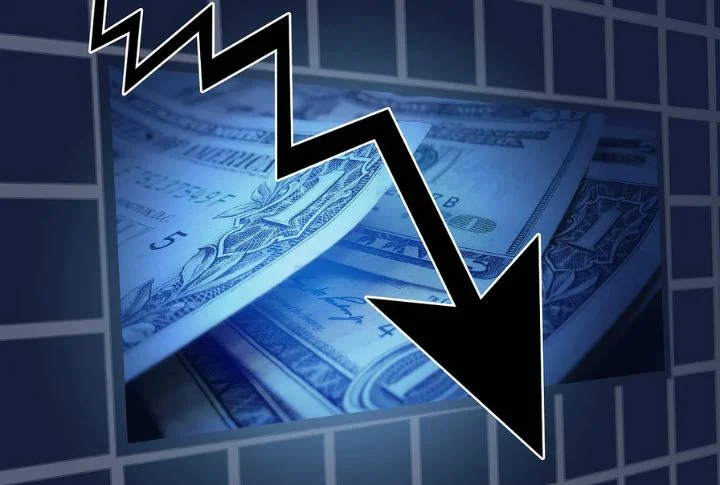
Economic slowdowns reduce buyer demand, which typically leads to price corrections. During the 2008 financial crisis, home prices dropped more than 10% nationally, with much steeper declines in markets like Las Vegas and Phoenix. Even during shorter downturns, buyers frequently secure homes for 10–20% below asking price.
2. Interest Rates Tend to Be Lower
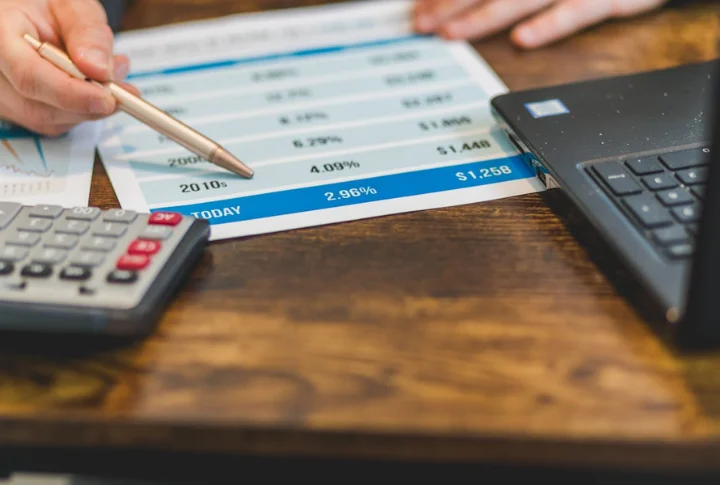
Recessions often trigger monetary easing. When the Federal Reserve intervenes, mortgage rates usually fall. In 2020, 30-year rates dropped below 3%, dramatically reducing lifetime borrowing costs. Locking in a low rate can save tens of thousands over the life of a loan.
3. Sellers Become More Willing to Negotiate
In slower markets, sellers lose leverage. Price reductions, closing cost credits, rate buydowns, and included appliances become more common. Flexibility increases when listings sit longer—and buyers who ask often receive.
4. Less Competition Means Better Decision-Making
Economic uncertainty sidelines many buyers. With fewer competitors, buyers can avoid bidding wars, review disclosures carefully, and make measured decisions. Reduced pressure leads to better outcomes and fewer regrets.
5. Higher Inventory Creates Real Choice
When demand cools, inventory often rises. Buyers gain the ability to compare neighborhoods, layouts, and price points without racing against the clock. Even homes that would normally sell quickly may linger, opening negotiation windows.
6. Rent Often Keeps Rising Even When Prices Fall
Home prices may dip during downturns, but rent frequently continues climbing. Landlords rarely lower rents once they rise. Buying during a slowdown can stabilize housing costs while renters face ongoing increases.
7. Government Incentives Often Expand
Economic slumps tend to bring buyer-friendly policies. Tax credits, down-payment assistance, and expanded loan programs become more common. Past examples include the $8,000 first-time buyer credit and expanded FHA and VA lending options.
8. Reduced Risk of Buying at the Market Peak
Buying during a slowdown lowers the risk of purchasing at inflated prices. Markets tend to recover over time, and entering at a lower point improves long-term equity potential while reducing downside exposure.
9. You Can Take Time to Think
Slower markets restore one of the most valuable assets in real estate: time. Buyers can reassess finances, revisit inspections, and reconsider neighborhoods without the fear of losing a property overnight.
10. Greater Leverage After Inspections
In hot markets, buyers often waive inspections. In slow ones, inspection contingencies regain power. Buyers can request repairs, price reductions, or seller credits—protecting both finances and peace of mind.
11. New Construction Slows, Supporting Prices
Builders reduce activity during downturns, limiting future supply. This helps stabilize prices and can create scarcity during recovery periods. Unsold new homes are often discounted to move inventory.
12. More Flexible Closing Terms
With fewer buyers, sellers are often open to flexible closing dates, rent-back agreements, or early occupancy. These terms can make financing and logistics significantly easier.
13. Extras Are Back on the Table
Appliances, furniture, home warranties, HOA credits, or prepaid taxes often re-enter negotiations during slower markets. Buyers regain the ability to ask—and often receive—more than just the property.
14. Stronger Long-Term Appreciation Potential
Buying at or near a market low improves future upside. Following the last major downturn, median home values rose sharply over the next five years. Early equity growth can significantly impact long-term net worth.
15. High-Cost Markets Become More Accessible
Luxury and high-cost areas tend to see sharper price corrections during downturns. In past recessions, prices in premium ZIP codes dropped as much as 25%, opening doors that were previously closed to many buyers.
Final Takeaway
Slow markets reward preparation, patience, and perspective. While fear pushes many buyers to the sidelines, those who understand the cycle often secure better prices, stronger terms, and long-term advantages.
Waiting for “perfect conditions” can mean missing the window where leverage quietly shifts in your favor.
Advertisement
Hot News
Advertisement


