


Advertisement
Gas Prices Aren’t the Only Bills You Can Lower This Month
If your goal is to reduce monthly expenses, fuel costs are only one part of the equation. Many recurring household and transportation-related bills can be optimized without reducing convenience or quality of service.
Below are several practical saving opportunities across insurance, debt, and everyday spending.
Offer | Why It’s Useful | What You Need to Do | Action |
Auto Insurance Comparison Tool | Potential savings of ~$500/year | Enter basic coverage details | Compare Quotes |
AmOne Personal Loan Platform | Lower interest through debt consolidation | Complete a short eligibility questionnaire | Reduce Interest Costs |
Balance Transfer Credit Cards* | Temporary 0% interest promotional periods | Apply for qualifying credit card | Pause Interest Charges |
Upside Fuel Savings App | Cashback on gas purchases (~$40/month potential) | Install app and activate offers | Get Fuel Cashback |
Fastest Ways to Reduce Gas Spending
Gas expenses can be lowered quickly using a combination of pricing tools, cashback programs, and payment optimization strategies:
Use fuel cashback apps such as Upside
Compare nearby fuel prices using apps like GasBuddy
Pay with credit cards that offer fuel rewards or cashback incentives
Join station-specific loyalty and fuel rewards programs
These methods do not require reducing driving habits; instead, they optimize the effective price per gallon.
How to Find the Cheapest Gas Near You
Fuel prices vary significantly between stations, even within the same city. Price-tracking tools allow drivers to identify lower-cost stations before refueling.
App | Function | Best Use Case |
Upside | Cashback at participating stations | Drivers seeking rebates |
GasBuddy | Real-time fuel price comparisons | Finding lowest nearby prices |
Using these tools proactively helps avoid higher-cost stations, especially those near highways or dense urban centers where pricing tends to be elevated.
15 Ways to Save Money on Gas (Core Strategies)
1. Use a Cashback Gas App
Apps like Upside provide rebates on fuel purchases at participating stations. Users typically:
Select available offers in the app
Check in before purchasing fuel
Pay with a linked card
Receive cashback credited to an account or wallet
Savings can reach up to approximately $0.25 per gallon depending on location and promotion availability.
Additional benefits may include cashback on groceries and dining at select retailers.
2. Use Gas Price Comparison Apps
Platforms like GasBuddy and similar tools aggregate station prices, allowing drivers to:
Identify the lowest-cost stations in real time
Plan fuel stops along regular commuting routes
Avoid high-price zones such as highway exits or central urban stations
This approach reduces price variance-driven overspending without changing driving behavior.
3. Use Credit Cards With Fuel Rewards
Certain credit cards offer category-based rewards for fuel purchases.
Key considerations:
Earn cashback or points per dollar spent on gas
Requires disciplined repayment to avoid interest charges
Best used as part of a broader rewards strategy
When managed correctly, this effectively converts mandatory fuel spending into partial rebates.
4. Join Gas Station Rewards Programs
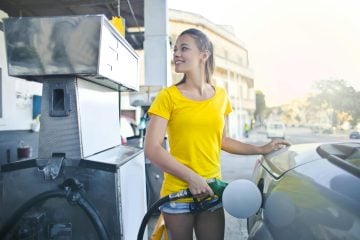
Many gas station chains and grocery stores across the country offer discounts and loyalty programs in hopes of turning you into a loyal customer. Each gas station fuel rewards program and grocery store fuel rewards program has its own set of rules on how much you can save and what you have to spend to get the rewards, so read up on the details.
GasBuddy also offers its own fuel savings program called Pay with GasBuddy. Join for free, and you’ll save up to 25 cents per gallon when you fill up at most national gas station chains. You can also sign up for a paid version. Pay with GasBuddy Premium is $9.99 a month and offers up to 50 cents off per gallon. Just check that your gas station of choice accepts the Pay with GasBuddy card — not everywhere does.
5. Use Grocery Store Fuel Rewards
Some grocery chains like Kroger allow shoppers to earn fuel points when they buy groceries.
These points can typically be redeemed at partner gas stations for discounts per gallon. For households already buying groceries weekly, these programs may offer an easy way to save on fuel.
6. Choose Regular Gas If Your Car Allows It
Premium gas often costs significantly more per gallon, but many vehicles are designed to run on regular fuel.
Higher-octane gas isn’t necessary or beneficial in most cars, so you’re just spending more money when you buy premium. Premium gas can cost about 20 to 40 cents per gallon more than regular-grade fuel. Use regular-grade gasoline unless your car’s manufacturer specifically requires premium. If your car’s manual says regular gasoline is OK, choosing it may help reduce fuel costs.
7. Fill Up Earlier in the Week
Gas prices sometimes increase later in the week as travel demand rises before the weekend, although trends can vary by region. According to a GasBuddy gas price analysis, gas prices tend to be the lowest on Sundays. If you’re looking to buy cheap gas, avoid filling your tank on Wednesdays, Thursdays and Fridays, when gas prices tend to be the most expensive.
8. Plan Trips to Reduce Driving
Plan your shopping trips and other outings in efficient ways to reduce how many miles you drive. If the grocery store is near your job, do your shopping after work rather than waiting until the weekend. Do your errands all in one day rather than making several trips on different days. Cutting a few miles several times weekly could save a fill-up or two.
9. Maintain Proper Tire Pressure
Underinflated tires increase rolling resistance, which can lower your gas mileage and cause you to lose about 2 cents per gallon, according to the U.S. Department of Energy. To find the proper tire pressure for your car, check your owner’s manual or the sticker in the driver’s side door jamb or in the glove box.
10. Drive Smoothly and Avoid Rapid Acceleration
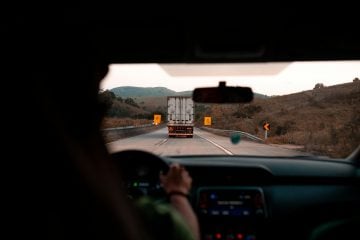
Aggressive driving behaviors like rapid acceleration and sudden braking can increase fuel consumption. Following the speed limit or driving just under it can pay off in more ways than one. The faster you drive, the more wind resistance you face, which reduces your fuel economy. But many cars are also more fuel efficient at highway speeds, so there’s a trade-off.
11. Remove Unnecessary Weight From Your Vehicle
Extra weight in your vehicle requires more fuel to move. The less you have weighing down your vehicle, the better gas mileage it gets. Look at what you’ve got in your car and remove anything you don’t need. The neglected sports equipment in your trunk can go.
12. Use Cruise Control on Long Highway Drives
Cruise control helps maintain steady speeds during highway travel. When it’s hilly, you might get better mileage without cruise control because the system will tend to downshift too much and waste gas. But otherwise, cruise! Staying at a steady speed with cruise control has been shown to save on fuel usage — plus you can make sure you don’t go over the speed limit.
13. Avoid Idling Your Car for Long Periods
Running the engine while parked consumes fuel without moving the vehicle. Don’t start the car and then leave it running for a long time while you wait for everyone to get in or to fiddle with your navigation. Make sure you’re ready to go before starting your engine.
14. Keep Your Vehicle Properly Maintained
Routine vehicle maintenance helps engines operate efficiently. Don’t wait for the check engine light to come on before taking your ride to the garage. Keeping a fuel-efficient vehicle means investing in preventive checkups to keep your car firing on all cylinders.
15. Consider a More Fuel-Efficient Vehicle
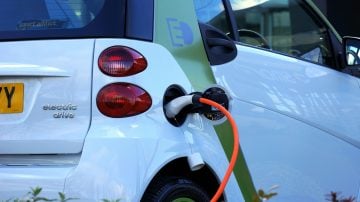
Choosing a more fuel-efficient vehicle may reduce long-term fuel expenses if you’re planning to replace your current car. Making your next vehicle one that has a higher MPG (miles per gallon) rating is a sure-fire way to spend less on gasoline. Consider a hybrid car — or a used electric one, if you never want to worry about buying gas again.
A vehicle with a manual transmission also tends to have better fuel efficiency than an automatic.
Advertisement
Hot News
Advertisement


